Friday, November 22, 2013

Globular Cluster M15 from Hubble

The website this APOD was found on is: http://apod.nasa.gov/apod/ap131119.html

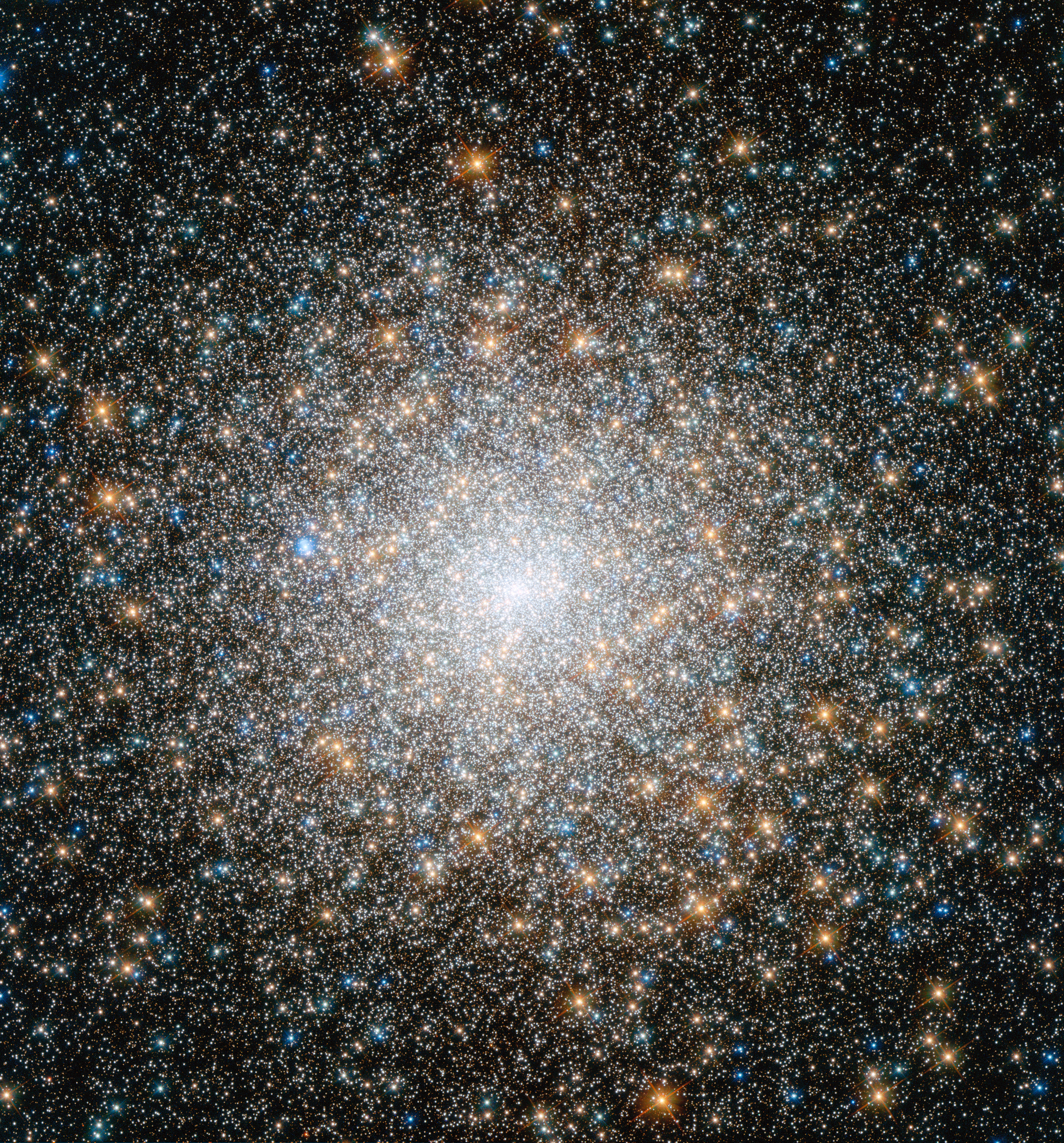
The globular cluster pictured, M15, is in the constellation Pegasus, the Winged Horse. M15 is composed of over 100,000 stars and is one of an estimated 170 globular clusters remaining. M15 orbits the center of the Milky Way and is easily visible with binoculars. This globular cluster is one of the densest concentration of stars known and contains many pulsars and variable stars. This image of M15, about 35,000 light years away, was taken by the Hubble Space Telescope. I think that it's amazing that the Hubble Space Telescope can capture an image so far away from Earth. It's awesome knowing what M15 looks like since we have been learning the constellations and their features.
See Explanation.  Clicking on the picture will download
 the highest resolution version available.

Aurora and Unusual Clouds Over Iceland

I got the APOD from this link: http://apod.nasa.gov/apod/ap131118.html

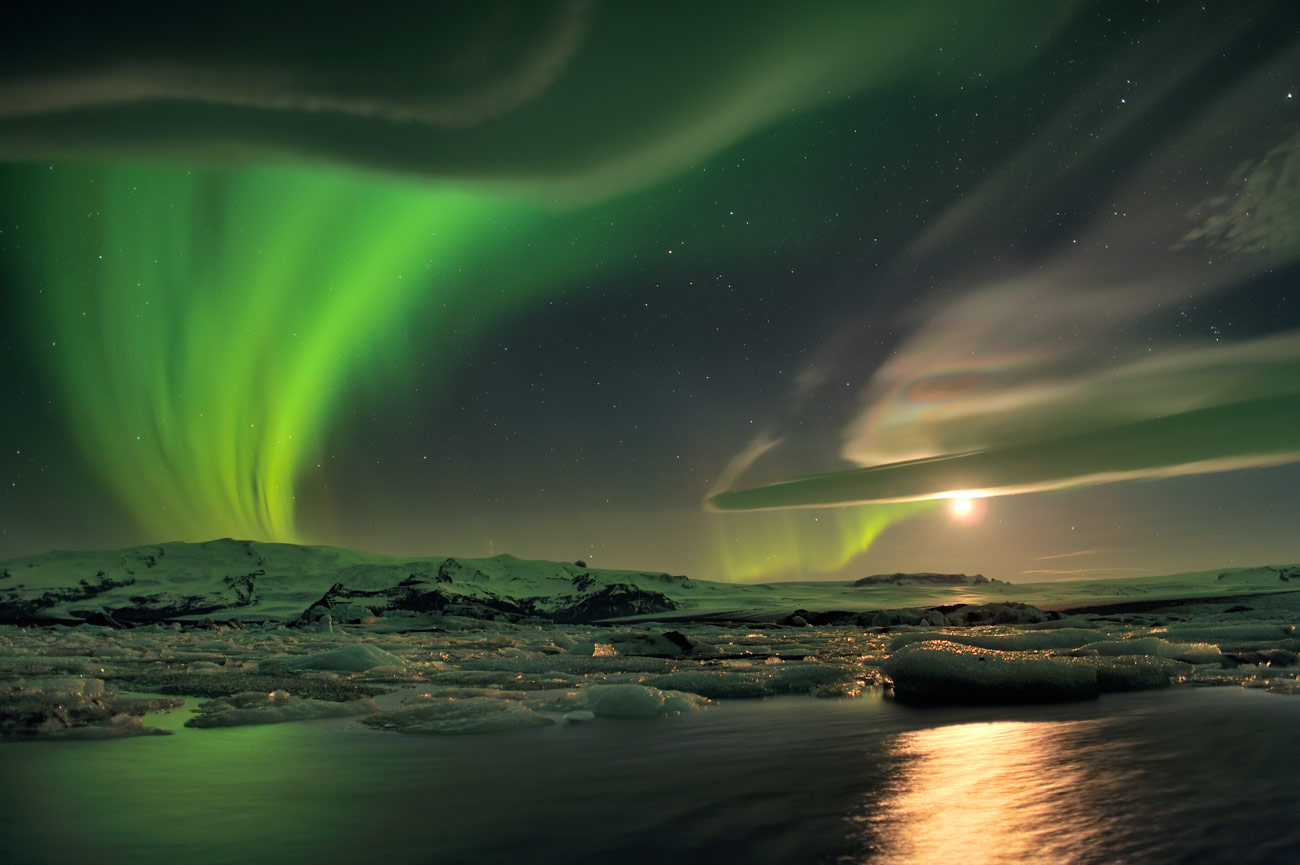
This APOD is a photograph of the largest glacier in Iceland, Vatnajokull, with bright green auroras behind it. The light from the auroras is reflected onto the lake. On the right there is a lenticular cloud and above it iridescent lenticular clouds in a range of colors. The Moon and the stars in the background complete this beautiful image. I think that this combination of space phenomenon and Earth's nature is breathtakingly beautiful.


See Explanation.  Clicking on the picture will download
 the highest resolution version available.

Tuesday, November 5, 2013

NGC 7841: Smoke Nebula

This APOD is from the website: http://apod.nasa.gov/apod/ap131101.html

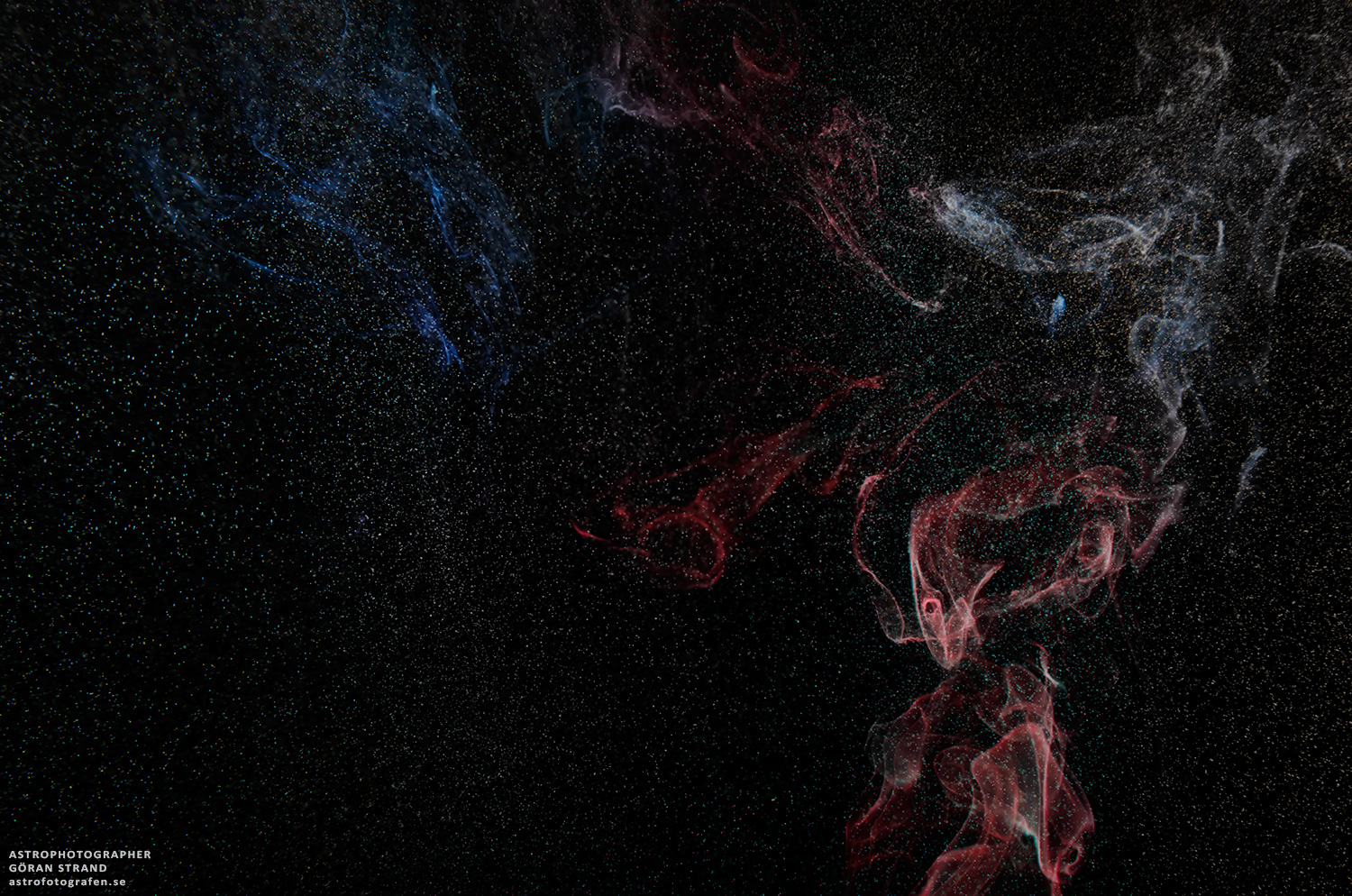
This image is of NGC 7841, also known as the "Smoke Nebula". This nebula is found in the modern constellation of Frustriaus (the frustrated astrophotographer). The nebula is a few light-nanoseconds from Earth. This is not an expanding supernova remnant along the plane of the Milky Way. The image was created by using flash photography on rising smoke. It is composed of water droplets splayed by a planet mister by an astrophotographer who became frustrated. I think that this image is very interesting. I liked learning about the effects that caused this image to appear the way that it is and the actual truth to it's discovery.

See Explanation.  Clicking on the picture will download
 the highest resolution version available.


Eclipse Over New York


This is a selection from this link: http://apod.nasa.gov/apod/ap131104.html

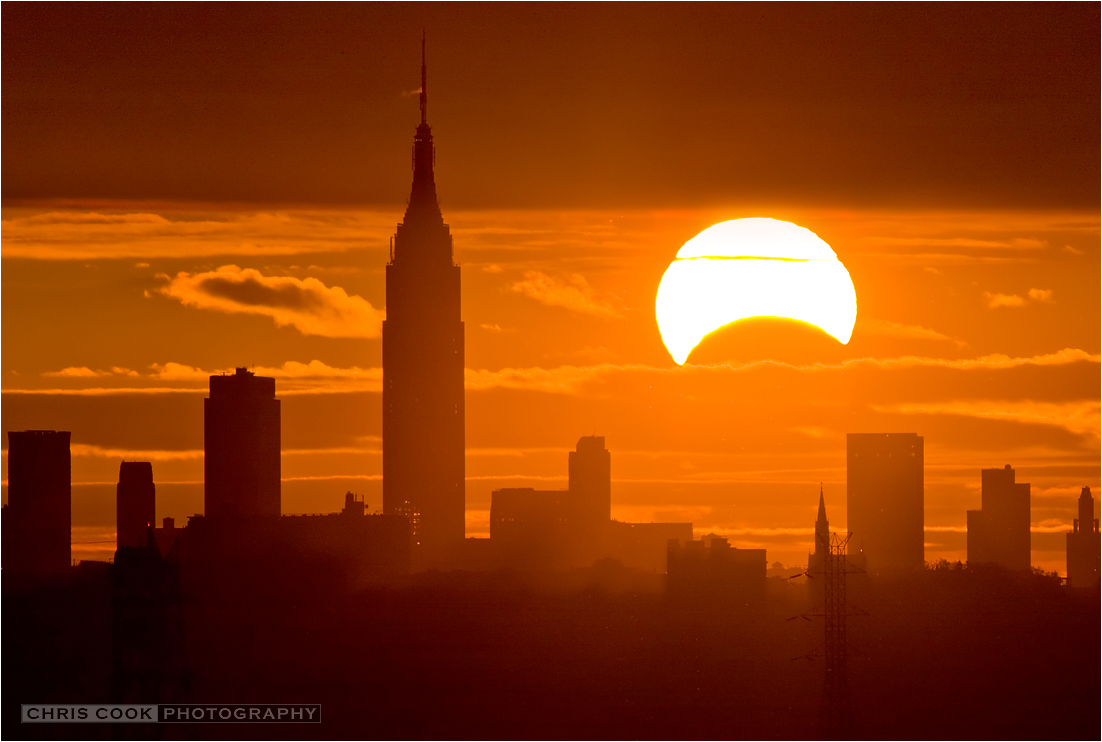
This photograph titled "Eclipse Over New York". The Sun was partially eclipsed by the moon. This is seen from most of the eastern North America and northern parts of South America. Much of Africa was able to see the eclipse during it's daytime.This eclipse was a hybrid where parts of the Earth saw the Moon as not large enough to cover the whole Sun, while other parts of the Earth witnessed a total solar eclipse where the Sun was completely covered by the Moon. Small changes in the angular size of the Moon were caused by the non-flatness of the Earth combined with the Moon's elliptical orbit. Unfortunately I missed viewing this partial solar eclipse but I am mystified by these photos. I find the scientific explanations in this APOD fascinating.


See Explanation.  Clicking on the picture will download
 the highest resolution version available.